Introduction
In emergency situation situations, understanding just how to perform mouth-to-mouth resuscitation can be a lifesaver. Cardiopulmonary resuscitation (MOUTH-TO-MOUTH RESUSCITATION) is a method used to restore somebody that has experienced cardiac arrest or quit breathing. By providing breast compressions and rescue breaths, mouth-to-mouth resuscitation helps to preserve blood flow and oxygenation until professional clinical help gets here. In this thorough guide, we will certainly walk you through the detailed process of carrying out CPR, making sure that you have the understanding and skills essential to react properly in an emergency situation.
Understanding the Basics of CPR: A Step-by-Step Tutorial
Performing mouth-to-mouth resuscitation calls for a combination of upper body compressions and rescue breaths. The objective is to flow oxygenated blood throughout the body, maintaining crucial body organs working up until physician can take over. Allow's study each step in detail:
Step 1: Evaluate the Situation
Before starting mouth-to-mouth resuscitation, it is vital to examine the circumstance for any possible risks. Ensure that both you and the sufferer are safe from any kind of hazards that might cause damage throughout the resuscitation process.
Step 2: Check for Responsiveness
Gently tap the target's shoulder and yell, "Are you all right?" If there is no response, proceed to the following step.
Step 3: Ask for Help
Immediately call emergency situation solutions or ask someone close by to do so. Time is crucial in a cardiac arrest scenario, and professional medical help should look out as quickly as possible.
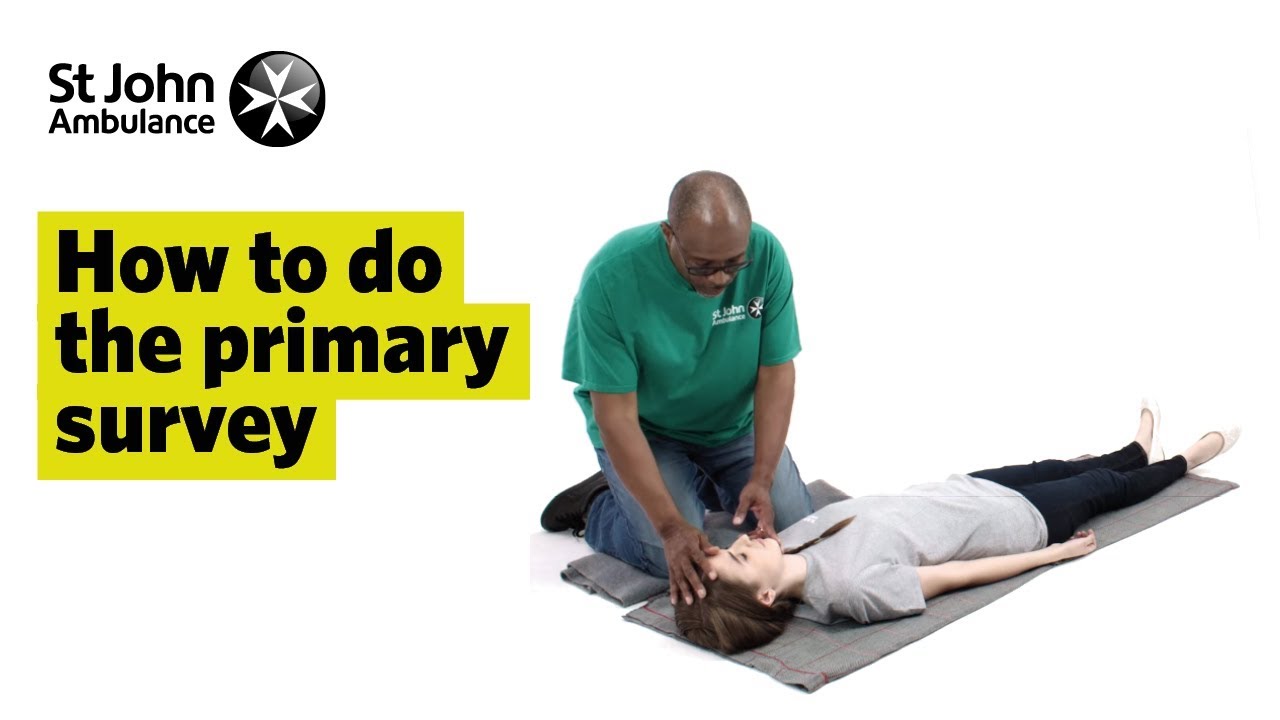
Step 4: Open the Airway
Tilt the sufferer's head back somewhat and raise their chin to open their airway. This helps make certain that oxygen can stream freely into their lungs.
Step 5: Check for Breathing
Look for signs of typical breathing such as upper body fluctuate or listening for breath noises. If there are no indicators of breathing or only wheezing sounds, the target is not taking a breath effectively.
Step 6: Start Chest Compressions
Place the heel of one hand on the center of the victim's breast, between the nipples. Interlace your fingers and setting on your own straight over their upper body. With your arms right and shoulders directly over your hands, start compressions. Push hard and fast, going for a depth of at least two inches and a rate of 100-120 compressions per minute.
Step 7: Supply Rescue Breaths
After 30 compressions, offer two rescue breaths. Maintain an open air passage by tilting the sufferer's head back and lifting their chin. Pinch their nose closed, develop a seal over their mouth with yours, and deliver CPR training Gold Coast two complete breaths lasting about one second each. Expect noticeable chest increase with each breath.
Step 8: Continue Mouth-to-mouth Resuscitation Cycles
Resume breast compressions instantly after providing rescue breaths. Repeat cycles of 30 compressions adhered to by two rescue breaths until specialist aid arrives or the sufferer shows indications of life.

FAQs regarding CPR
Q: What is the function of CPR? A: The function of CPR is to keep blood flow and oxygenation in someone who has experienced cardiac arrest or stopped breathing up until expert medical assistance arrives.
Q: How do I recognize if somebody needs CPR? A: If a person is less competent, not taking a breath generally, or gasping for breath, they may require CPR.

Q: Can I execute CPR on myself? A: No, mouth-to-mouth resuscitation should only be performed on a person else who requires prompt clinical attention.
Q: Is it needed to carry out rescue breaths throughout mouth-to-mouth resuscitation? A: Rescue breaths are an essential part of mouth-to-mouth resuscitation as they provide oxygen to the lungs and enhance chances of survival.
Q: Do I need to be licensed to do CPR? A: While accreditation is not needed to do mouth-to-mouth resuscitation, it is extremely suggested to undertake an emergency treatment training course that includes CPR training. Proper training furnishes you with the needed skills and expertise to react efficiently in emergency situations.
Q: Can I trigger harm by performing mouth-to-mouth resuscitation improperly? A: While it is constantly best to get proper training, executing CPR, even if refrained perfectly, enhances the possibilities of survival for someone experiencing cardiac arrest. Any type of effort at CPR is much better than no effort at all.
Conclusion
Understanding the essentials of mouth-to-mouth resuscitation is a crucial ability that can assist in saving lives in emergency situation circumstances. By adhering to the detailed tutorial laid out in this article, you can with confidence reply to cardiac arrest or breathing emergency situations and provide prompt care till specialist medical aid shows up. Remember, undergoing a first aid training course that consists of CPR training is highly suggested for comprehensive understanding and hands-on method. Be ready and be ready to make a distinction when it matters most.